
New Year, Fresh Intentions
There’s something irresistible about the start of a new year. It’s a clean slate, a psychological refresh button, a chance to step back and say, “This year, I’ll do it differently.” For leaders, it’s also a rare window to pause before the pace of Q1 takes over and ask: What kind of leader do I want to be in 2026? Of course, this is also the season of resolutions. And let’s be honest, resolutions have a reputation problem.
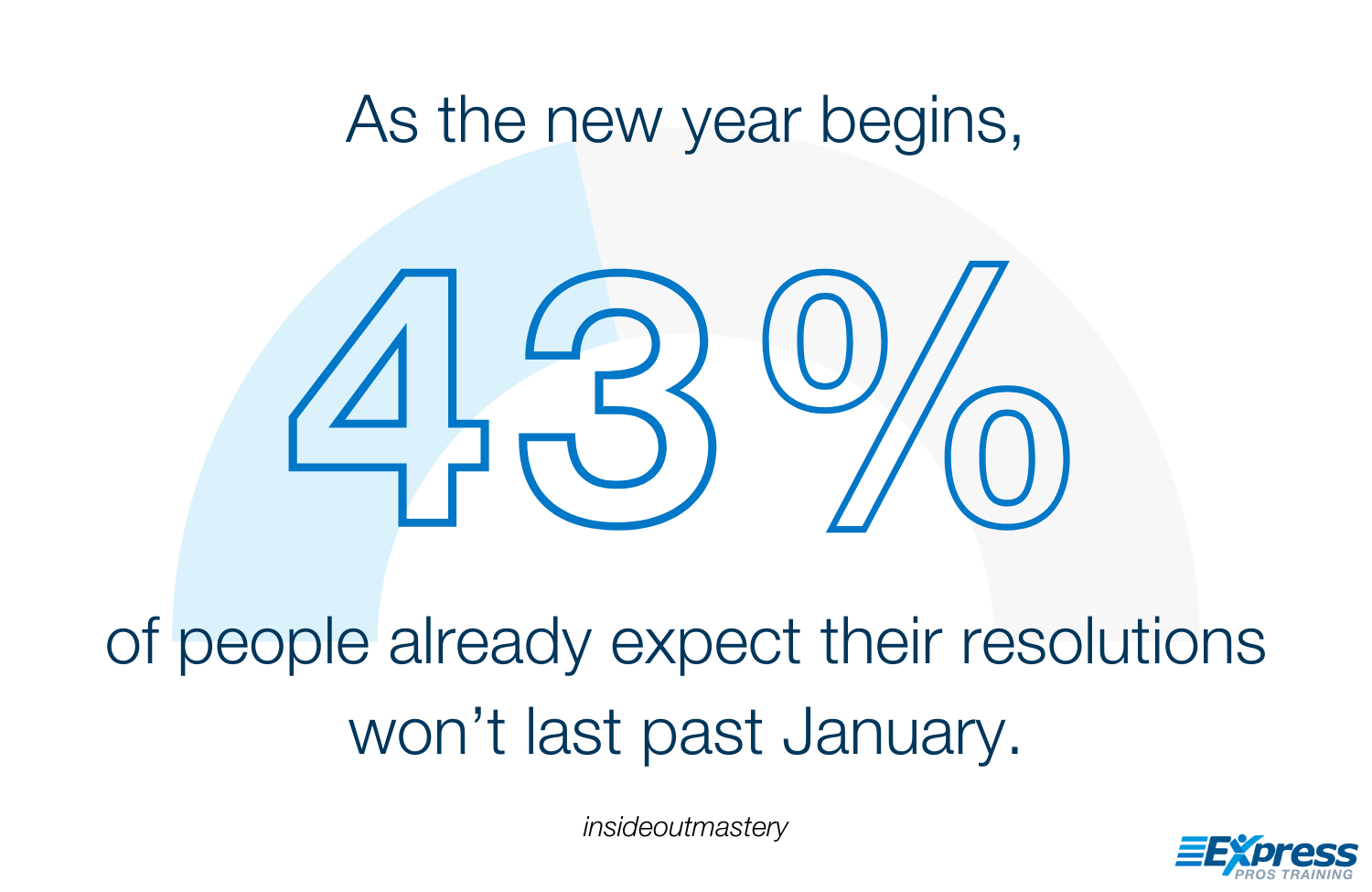
Research shows that nearly half of people expect to give up on their New Year’s resolutions by February. A full quarter drop theirs within just the first week. Most fade before January ends, and only 9% actually see their goals through.
So why do we keep setting them?
Because the desire to improve is real, the motivation is there; it just needs a better container. Something more flexible than a to-do list. Something more human than a goal metric. Something that inspires action without inviting overwhelm.
That’s where the idea of choosing one word comes in.
Why One Word Works for Leaders
Choosing a single word for the year might sound simple, and that’s exactly the point.
In leadership, clarity is everything. The more complex your role becomes, the more powerful it is to have one unshakable anchor to come back to. A single word can become a lens, a filter, a quiet nudge that brings your attention back to what matters most.
Unlike resolutions, which often focus on behavior change and outcomes, your one word centers on identity and intention. It’s not just about what you want to do; it’s about who you want to be as a leader this year.
Whether you’re guiding a team through uncertainty, reigniting morale, or shifting your own habits, one word offers three major advantages:
- Focus: It cuts through noise and keeps your leadership aligned with your values.
Flexibility: It grows with you throughout the year, applying to different goals and challenges. - Connection: It’s something you can share with your team to build transparency, trust, and collective energy.
The best part? There’s no pressure to be perfect. Your word doesn’t demand daily checklists. It invites you to return to it, reflect with it, and lead through it.
How to Choose Your Word
Finding your word isn’t about picking the perfect one; it’s about choosing one that resonates with where you are now and where you want to grow next.
Here’s a simple process to help you get started:
1. Reflect
Think back on the past year. What challenged you? What inspired you? Where did you lead well, and where did you feel stretched thin? Consider moments that made you pause, either in pride or in frustration. What do they reveal about what you want more of, or less of, in your leadership?
2. Select
As patterns emerge, let them guide you toward a word. Not a buzzword or something you think you should choose, but a word that feels true to you. It might make you slightly uncomfortable. That’s okay. Growth usually does. Aim for a word that can stretch across different areas: how you show up in meetings, how you mentor others, how you make decisions, how you care for yourself.
3. Commit
Once you’ve found your word, don’t let it slip away into the noise of January. Write it down. Put it somewhere visible. Share it with a colleague, coach, or your team. Revisit it monthly. Ask: How am I living into this word? Let it evolve with you.
This process doesn’t take hours. But it can change the way you show up all year long.
Need Inspiration? Start Here
Not sure where to begin? Sometimes the right word finds you once you see it in context. Here are a few examples that go beyond the usual suspects. Each one reflects a different leadership focus: clarity, connection, courage, and care.
Anchor
For leaders who want to stay grounded in their values, especially in fast-paced or uncertain environments. This word supports calm, steadiness, and presence.
Kindle
For those looking to reignite creativity, motivation, or team spirit. A great word if you’re rebuilding momentum or culture after a tough season.
Unravel
A bold choice for leaders ready to simplify complexity, whether it’s in systems, strategies, or overthinking. Sometimes the most powerful move is to untangle, not add more.
Embody
This word is all about integrity. For leaders who want to ensure their actions match their values and their leadership isn’t just spoken, but lived.
Tend
Perfect for those wanting to cultivate healthier teams, relationships, or personal leadership habits. Tending implies care, consistency, and quiet strength.
Bridge
For anyone focused on the connection between people, departments, ideas, or even personal and professional roles. A bridge-builder fosters collaboration and inclusion.
Discern
For leaders facing complex decisions, noise, or ambiguity. Discernment calls for clarity, judgment, and the courage to act wisely, not just quickly.
Putting Your Word into Practice
Choosing a word is just the beginning. The real power lies in how you integrate it into your day-to-day leadership. Start by making your word visible. Write it on a sticky note at your desk, jot it in your planner, or set it as a recurring reminder on your phone. Visibility helps turn intention into action, nudging you back toward your word in moments when it’s easy to drift.
Let your word become a quiet guide. When you’re making decisions, preparing for a tough conversation, or feeling overwhelmed, take a breath and ask yourself, “How does this align with my word?” It’s a simple check-in, but one that can redirect your mindset, reset your approach, and restore your focus.
And this doesn’t have to be a solo exercise. Your word can also become a meaningful part of how your team operates. Consider sharing your word with your team and explaining why you chose it. It’s a great way to lead with vulnerability and model intentional growth. Even better, invite your team to choose a word together. A shared word can set the tone for collaboration, define team culture, or signal what the group values most this year, whether it’s clarity, trust, experimentation, or something uniquely your own.
Finally, make space to reflect. Your word isn’t something to perfect; it’s something to return to. Revisit it monthly or quarterly. Look for the ways it’s shaping your choices, your conversations, and your leadership presence. And when you notice yourself forgetting it entirely? That’s not failure, it’s just a sign to begin again.
Your Word Is Just the Beginning
Leadership isn’t about doing more. It’s about doing the right things, in the right way, with the right mindset. And in a world that moves fast and demands a lot, the simplicity of one word can create surprising depth. It’s a small shift with the potential to change how you lead your team, show up in your organization, and invest in your own growth.
Whatever word you choose, let it remind you that leadership is a practice and you don’t have to practice it alone.
If your organization is ready to invest in more intentional leadership development this year, we’d love to be a part of that journey. Reach out to explore how we can support your growth in 2026.