
There are a lot of leadership books out there, but there are a handful we find ourselves coming back to and recommending over and over again. They are not all about the same thing, and that is part of what makes this list useful. Some have helped us think differently about our own effectiveness as leaders. Others have shaped the way we think about managing, coaching, and working with people. And a few go even deeper into what it takes to create healthy teams and organizations. These eight books have given us ideas, language, and frameworks that continue to show up in the work we do, and they are the ones we think are worth adding to your own reading list.
Becoming a More Effective Leader
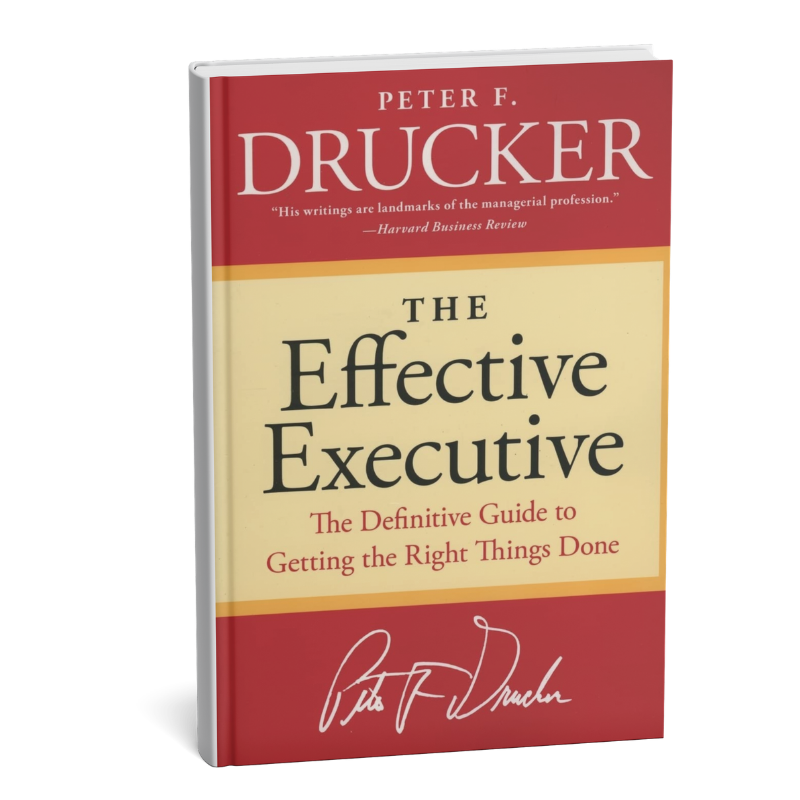
The Effective Executive
by Peter Drucker
Why we recommend it: This is one of those books that gets more useful the more responsibility you carry. Drucker’s focus is not on charisma or personality, but on effectiveness: how leaders use their time, make decisions, set priorities, and concentrate their energy on the work that matters most. It is practical, disciplined, and still remarkably relevant.
The idea that sticks with us: One of Drucker’s central ideas is that effectiveness can be learned. Great leaders are not simply people who are naturally gifted or endlessly productive. They develop habits that help them focus on contribution, manage their time well, build on strengths, and make deliberate choices about where their attention belongs. That is an important reminder because leadership effectiveness is often less about doing more and more about becoming intentional about what you do.
Read this if… You are leading a team, department, or organization and constantly feel pulled in multiple directions. It is especially helpful for leaders who have plenty to do but need to get clearer about what deserves their time, what only they can contribute, and how to stay focused on the work that will actually move the organization forward.
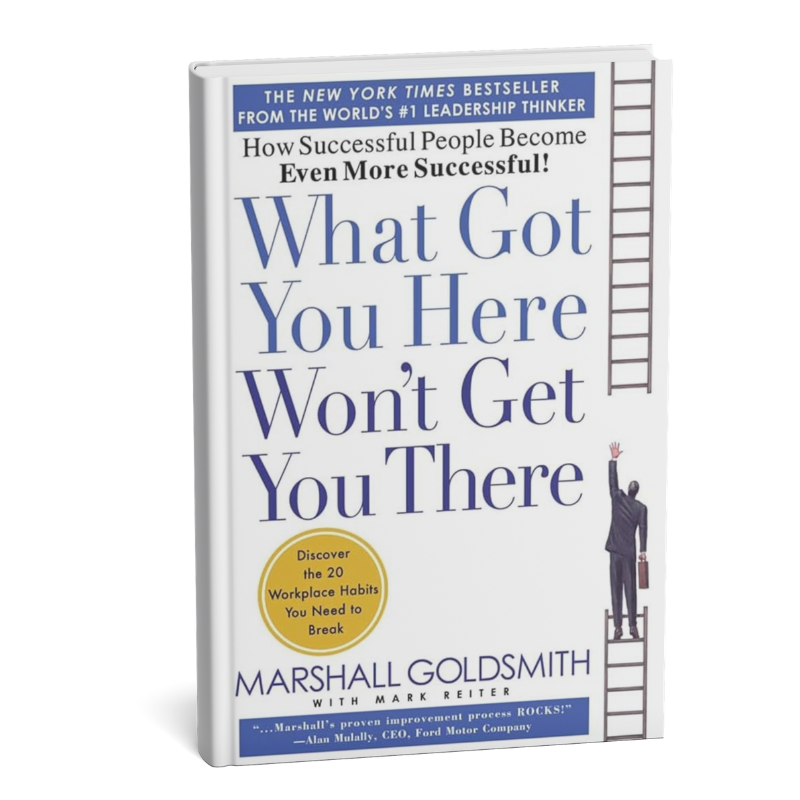
What Got You Here Won’t Get You There
by Marshall Goldsmith
Why we recommend it: This book is especially valuable for leaders who have already experienced some success. Goldsmith makes the case that the habits and behaviors that helped someone advance early in their career can eventually become the very things that limit their effectiveness. It is a useful reminder that growth at higher levels of leadership often requires subtraction, not just adding new skills.
The idea that sticks with us: The core idea is simple: successful people can have blind spots precisely because they have been successful. When something has worked for us for a long time, we naturally assume we should keep doing it. But leadership growth requires enough self-awareness to recognize the behaviors that may now be getting in the way and enough humility to change them.
Read this if… You are an experienced leader who is doing a lot of things well but senses that your next level of growth will require some personal change. It is particularly helpful if you are receiving feedback that is hard to hear, noticing recurring frustrations with your team, or realizing that a strength you have relied on for years may be getting overused.
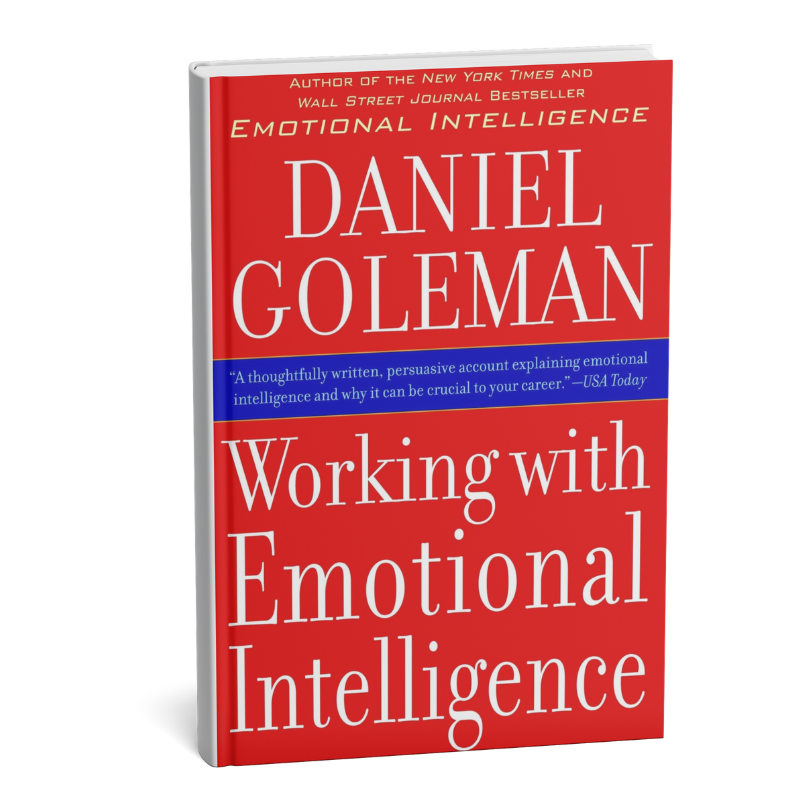
Working with Emotional Intelligence
by Daniel Goleman
Why we recommend it: Goleman’s work is a great reminder that technical ability and intelligence only take a leader so far. As responsibility increases, the ability to understand yourself, manage your reactions, read other people, and navigate relationships becomes increasingly important. This book gives leaders a practical way to think about the human side of performance.
The idea that sticks with us: The idea that stands out most is that emotional intelligence is not simply about being empathetic or “good with people.” It includes self-awareness, self-management, motivation, empathy, and social skill. Strong leaders learn to recognize what is happening inside themselves and around them, then respond intentionally rather than simply reacting.
Read this if… You are a capable leader who wants to better understand the impact you have on the people around you. It is especially useful if you are navigating conflict, leading through change, managing strong personalities, or realizing that leadership challenges are often less about knowing what to do and more about knowing how to work effectively with people.
Getting Better at Leading People
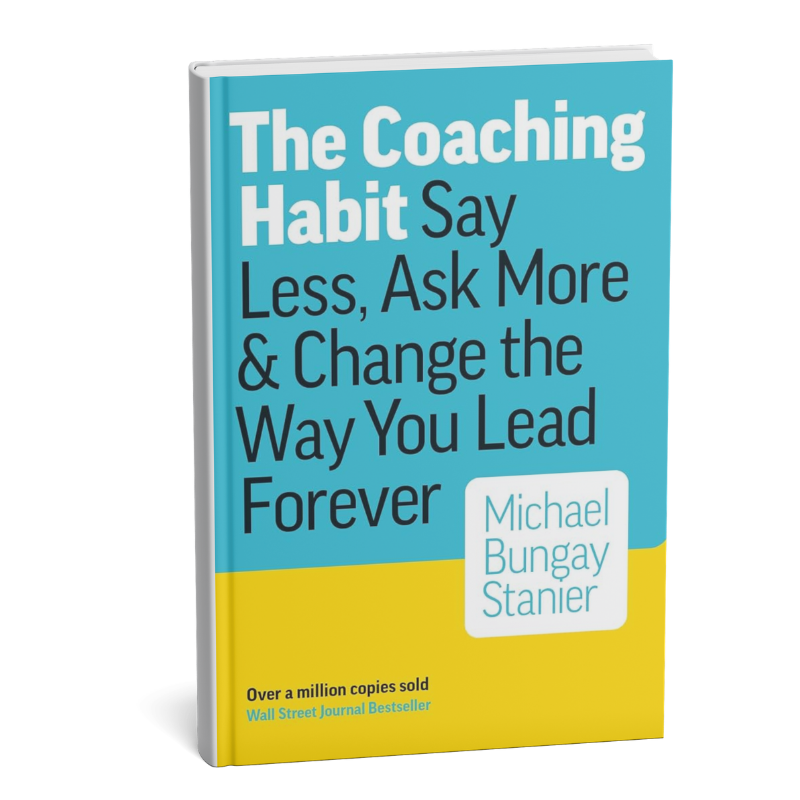
The Coaching Habit
by Michael Bungay Stanier
Why we recommend it: This book is practical, easy to apply, and especially useful for leaders who want to get better at developing people instead of simply solving problems for them. Stanier shows how a few well-chosen questions can change the way leaders coach, helping employees think more clearly, take greater ownership, and become less dependent on the manager for every answer.
The idea that sticks with us: The central idea is that good coaching is often less about giving advice and more about asking better questions. Leaders naturally want to jump in, fix the problem, or offer the solution, but that can unintentionally keep people dependent on them. By slowing down and asking thoughtful questions first, leaders create space for others to think, learn, and build their own capability.
Read this if… You manage or lead people and find yourself becoming the answer person for everything. It is especially helpful if you want your team to take more ownership, think through problems on their own, and grow in confidence without feeling like you have to step in and solve every issue for them.
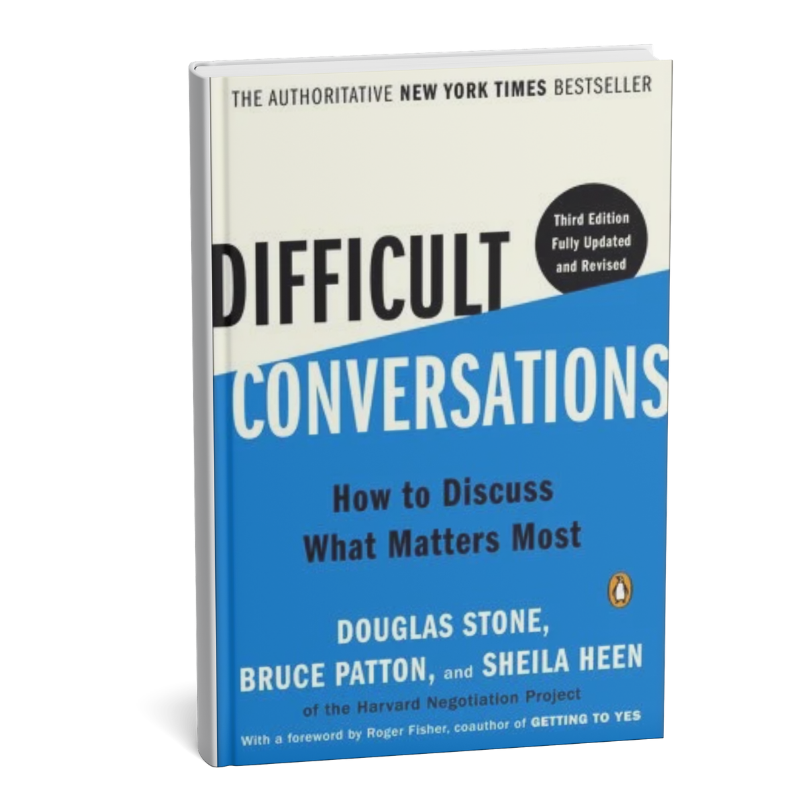
Difficult Conversations
by Douglas Stone, Bruce Patton, and Sheila Heen
Why we recommend it: Every leader eventually has to navigate conversations that are uncomfortable, emotional, or high-stakes. This book is valuable because it helps leaders move beyond simply trying to “say the right thing” and instead understand what is really happening underneath a difficult conversation. It offers a thoughtful, practical way to approach conflict without avoiding it or making it worse.
The idea that sticks with us: One of the most useful ideas in the book is that every difficult conversation is really made up of several conversations happening at once. There is the conversation about what happened, the conversation about how each person feels, and the conversation about what the situation means to each person personally. Recognizing those different layers helps leaders listen better, become less defensive, and approach conflict with more curiosity.
Read this if… You are avoiding a conversation you know you need to have, or if conversations about performance, conflict, accountability, or feedback tend to become tense quickly. It is especially helpful for leaders who want to handle hard issues directly while still preserving trust and the relationship.
It’s the Manager
by Jim Clifton and Jim Harter
Why we recommend it: This book makes a strong case for just how much influence managers have on the day-to-day experience of employees. Clifton and Harter draw on Gallup’s research to show that engagement, performance, retention, and development are often shaped less by broad organizational initiatives and more by the quality of the manager directly leading the team.
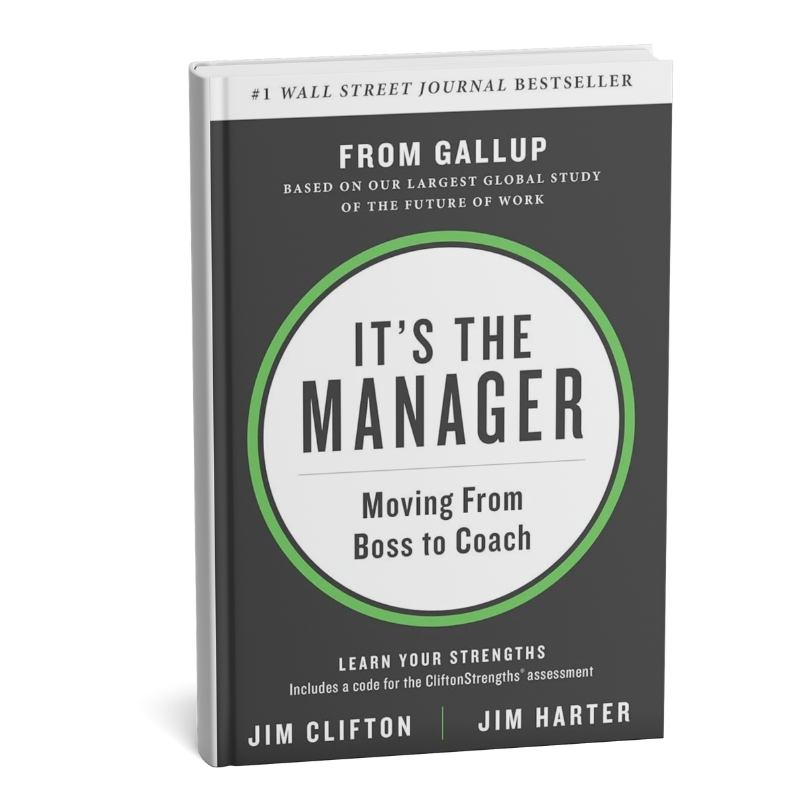
The idea that sticks with us: The biggest idea is that the manager is one of the most important variables in whether people thrive at work. Employees need more than direction and oversight. They need clarity, meaningful feedback, development, and a manager who understands how to bring out their strengths. In that sense, managing people well is not a secondary responsibility. It is a core leadership function.
Read this if… You lead people and want to better understand what employees need from their manager in order to perform well and stay engaged. It is especially useful for organizations trying to strengthen their management culture or for leaders who want to move beyond simply supervising work and become more intentional about developing people.
Leading Healthy Organizations
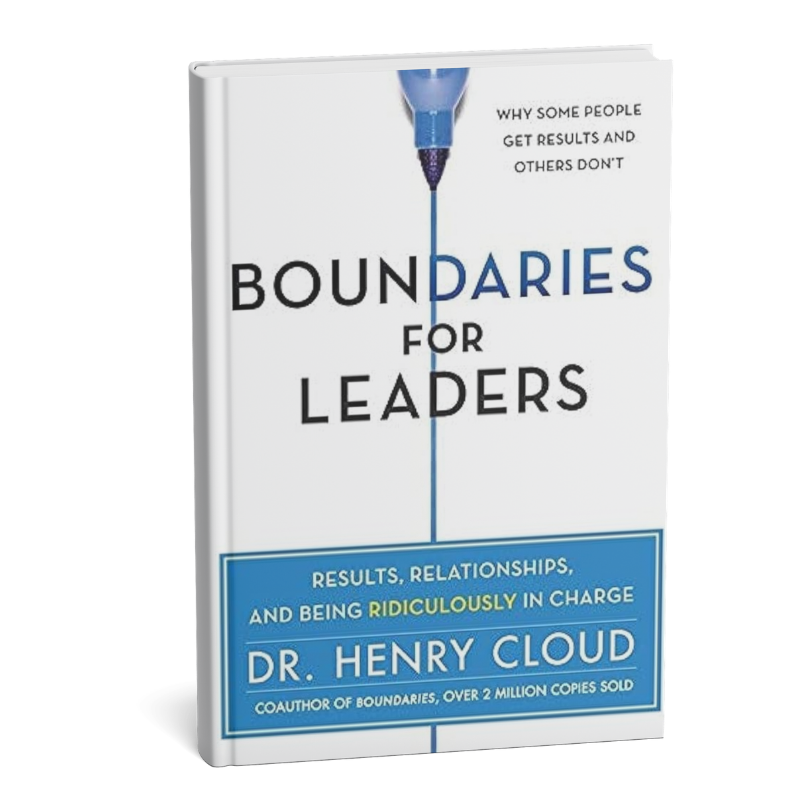
Boundaries for Leaders
by Henry Cloud
Why we recommend it: This book is helpful because it broadens the idea of boundaries beyond simply saying no or protecting your time. Cloud shows that leaders create the conditions in which people work, and that what leaders allow, reinforce, clarify, and confront has a major impact on the health and performance of a team.
The idea that sticks with us: One of the strongest ideas in the book is that leaders are responsible for creating the environment, even when they cannot control every person in it. Healthy leadership requires clear expectations, appropriate limits, accountability, and enough consistency that people understand what is acceptable and what is not. In other words, culture is shaped in part by the boundaries leaders are willing to establish and maintain.
Read this if… You are leading a team where expectations feel unclear, accountability is inconsistent, or too much energy is being spent managing unhealthy dynamics. It is especially useful for leaders who need to become more comfortable setting limits, addressing behavior, and creating an environment where people can perform well without the leader carrying everything themselves.
A Failure of Nerve
by Edwin H. Friedman
Why we recommend it: This is one of the deeper books on the list because it is less about leadership techniques and more about the emotional posture of the leader. Friedman argues that leaders are most effective when they can stay clear, steady, and grounded, especially when the people or systems around them become anxious, reactive, or resistant to change.
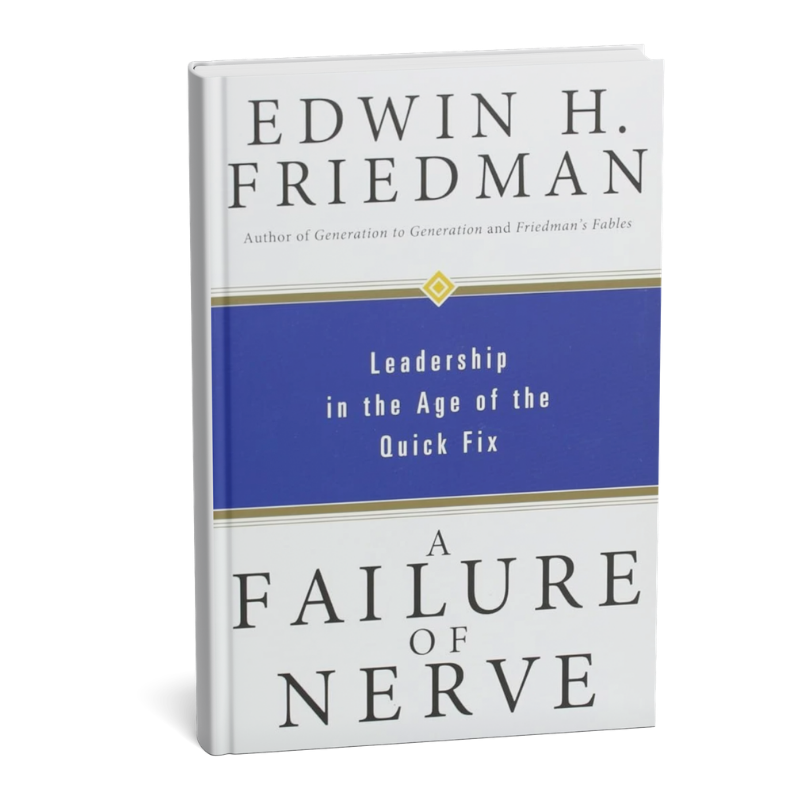
The idea that sticks with us: The central idea is that a leader’s ability to remain a non-anxious presence can shape the entire system around them. Leaders do not have to absorb every emotion, solve every tension, or react to every pressure. The more they can stay connected to people while still holding their own clarity, convictions, and direction, the more capable they are of leading through uncertainty and change.
Read this if… You are leading in an environment that feels tense, political, reactive, or resistant to change. It is especially useful for leaders who find themselves getting pulled into other people’s anxiety, over-functioning for the team, or struggling to stay steady when difficult decisions create discomfort.
There is no shortage of leadership advice out there, and no single book has all the answers. But these are eight books we continue to come back to because each one helps leaders see something a little more clearly, whether that is how they manage themselves, how they lead people, or how they shape the health of an organization. The real value, of course, comes when good ideas begin to change the way we actually lead. That is much of the work we do at Express Pros Training: helping organizations walk out sustainable purpose, health, and results. If your team is ready to invest in its own leadership development, we would love to talk with you about how we can help.